1. Check the building
Inside a home or unit, the team looks through closets, cabinets, bathrooms and anything that could hold sharps.
Pocola, OK · Le Flore County
A tenant moved out and a syringe is on the floor. A park, alley or shop doorway has needles on the ground. In Pocola, call (877) 812-4220 for sweeping, collection and safe disposal.
If anyone is in danger, call 911 first. For a suicide crisis, call or text 988.
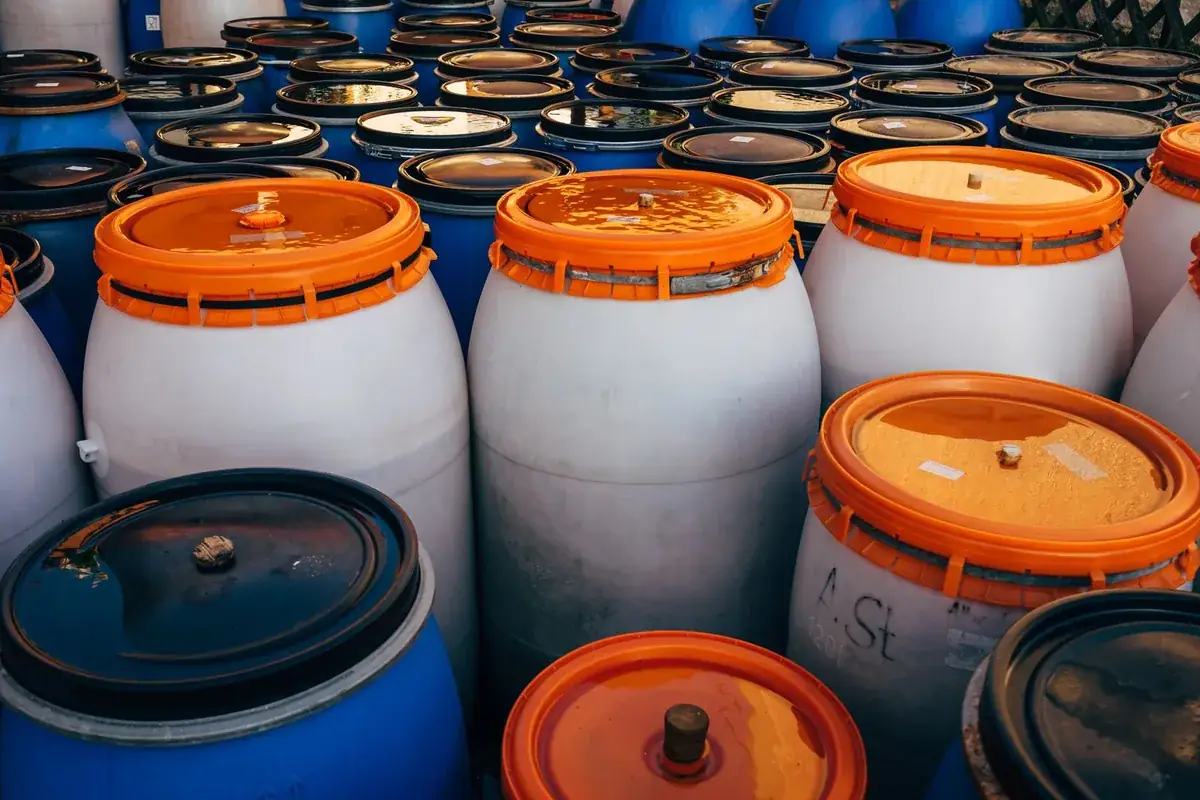
Found needle cleanup is a short phrase for an important job. A crew stays alert for hidden sharps, picks them up with long tools, places them in secure containers and clears the area for use again.
If you find syringes while clearing a loved one's home in Pocola, you can call Pocola Biohazard Cleanup Help. Crews search drawers, bags and closets, and take care of the sharps so relatives in Le Flore County never have to.
Vacant buildings make up about 15% of housing in Le Flore County, and empty houses and lots are common places for discarded needles to turn up. A stick, cut or splash should be checked by a doctor without delay. Eastern Oklahoma Medical Center in Poteau serves people in and around Pocola.
A typical needle & sharps cleanup job includes:
Inside a home or unit, the team looks through closets, cabinets, bathrooms and anything that could hold sharps.
Sharps are separated from other items so soft goods are not handled until the sweep is done.
Needles, syringes and any other sharps are gathered and sealed as they are found.
Hard surfaces are cleaned with EPA-registered products. Soaked fabrics may be removed and bagged.
The cost of needle & sharps cleanup in Pocola, OK depends on the amount of material, how it is packed and how it is hauled.
Timing can matter. A same-day need near a school or play area may be scheduled differently from a sweep planned for next week.
| Type of job | Typical range |
|---|
Estimates only, not a quote. Sources: . Price drivers include number of items, where they are found, whether a sweep of a large area is needed, waste disposal. Call (877) 812-4220 to talk through the job.
A used needle can carry bloodborne pathogens such as hepatitis B, hepatitis C and HIV. The chance of infection from one stick depends on many things, and a doctor can explain what applies. Get medical care promptly after any stick or cut.
No. Crews focus on safety and cleanup, not on why the needles are there. The team asks only what it needs to plan the work, and you decide what else to share.
The crew searches the whole area with protective gear and tools. It collects each sharp into a puncture-resistant container, cleans surfaces where sharps lay, and hauls the sealed containers away. A final walk checks that nothing was missed, and the team can provide a record.
No. Do not search for them yourself. Tell the team what you have seen and where, and the crew will check the rest of the space in protective gear. Searching by hand is how many sticks happen.
A small yard or single room can be quick, while a building or large lot takes longer. Clutter, hidden spots and the amount of sharps affect the time. A cleanup team can give a realistic idea once it hears the details.
The crew cleans and disinfects surfaces where sharps lay, bags soiled items for disposal and checks the area again. If odor or residue is present, the team can address it or suggest the next step.
A full sweep finds the needles you can see and the ones you cannot.
Call (877) 812-4220